
Vestibular Migraine Treatment Surrey
Vestibular migraine is one of the most common causes of recurrent vertigo, yet it is frequently missed or misdiagnosed. At Allied Physiotherapy Health Group, our vestibular physiotherapists provide evidence-based care to help reduce the frequency and intensity of your symptoms so you can get back to living confidently.
What Is Vestibular Migraine?
Vestibular migraine is a neurological condition in which migraine activity affects the brain’s balance and motion processing systems. Unlike a typical migraine, vestibular migraine can cause dizziness and vertigo with or without head pain. Episodes can last anywhere from a few minutes to several days.
Common symptoms include:
- Spinning vertigo or a rocking, swaying sensation
- Dizziness triggered by head movement, busy visual environments, or screens
- Nausea, sensitivity to light, sound, or smells
- Imbalance and unsteadiness during or after an episode
- Headache before, during, or after dizziness — or no headache at all
- Motion sickness, especially in cars, planes, or boats
Vestibular migraine is often confused with Meniere’s disease, BPPV, or anxiety-related dizziness. Accurate assessment is essential because the treatment approach is very different from other vestibular disorders.
What to Expect During Your First Visit
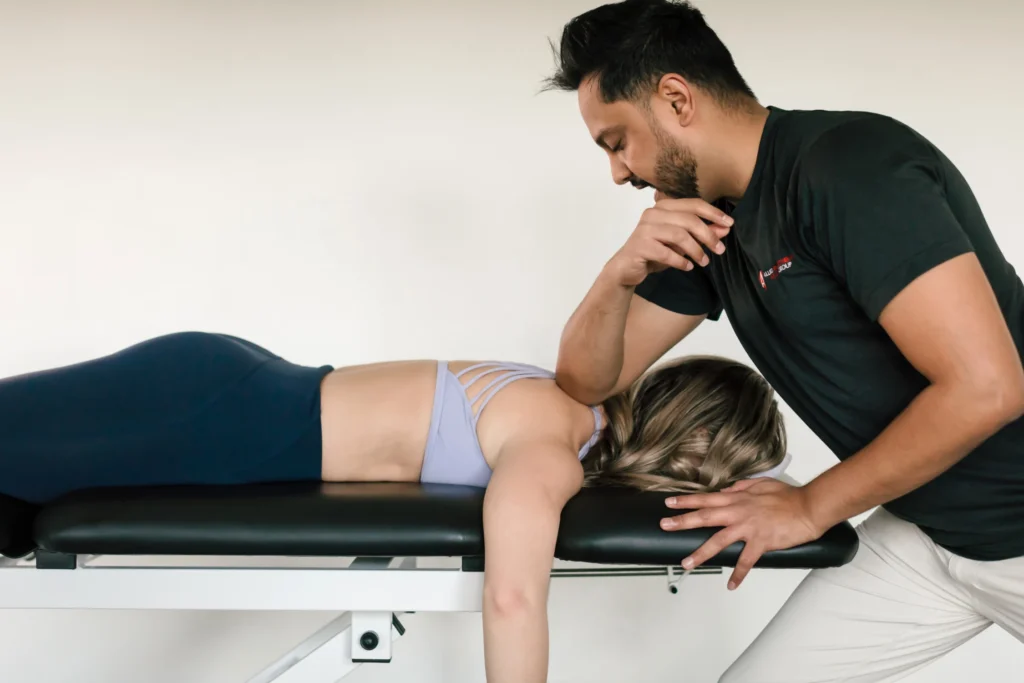
Your initial session is focused on understanding your symptoms and identifying the exact cause of your vertigo.
A thorough symptom history including triggers, headache patterns, and family history of migraine
Vestibular and balance testing to rule out BPPV and other inner ear causes
Identification of your personal triggers and movement sensitivities
A clear, personalized plan combining treatment, education, exercise, and lifestyle strategies
How Physiotherapy Helps Vestibular Migraine
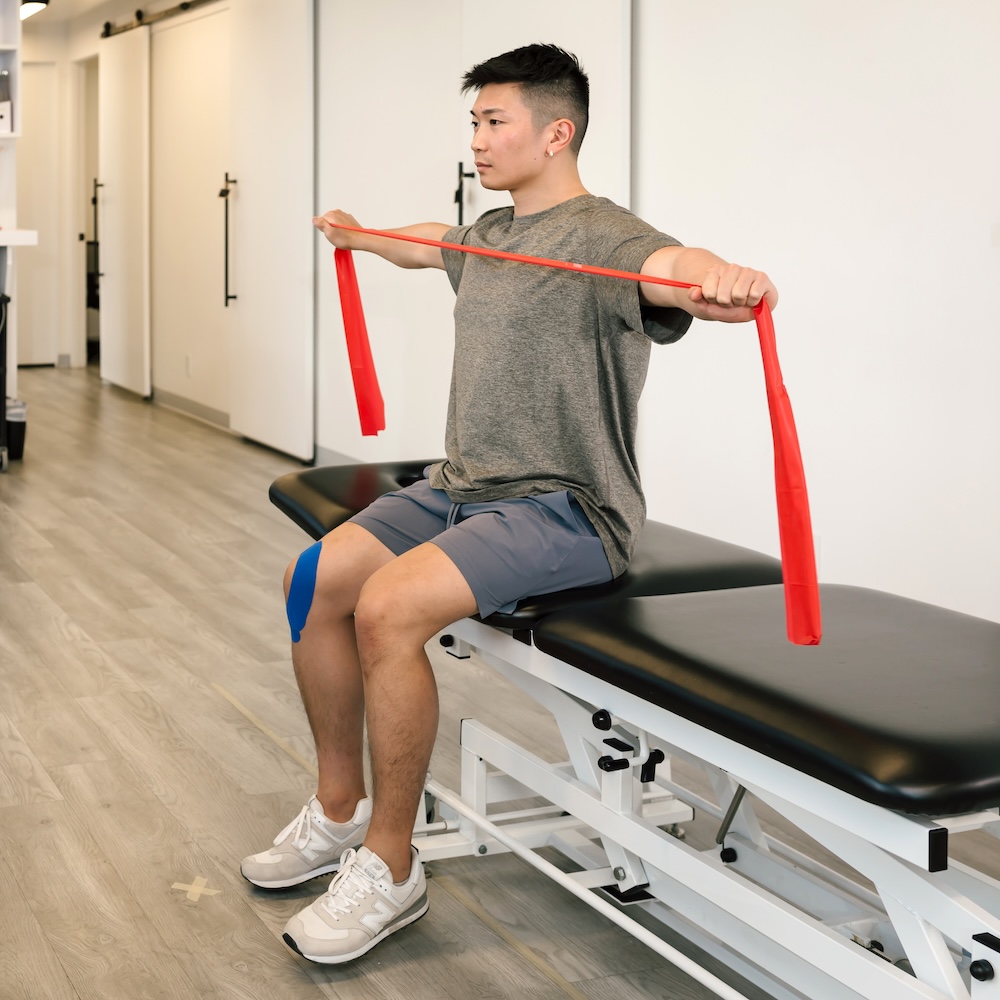
Vestibular rehabilitation does not replace medical management of migraine, but it plays a powerful role in reducing symptoms between and during attacks. Your treatment may include:
Vestibular Rehabilitation Therapy (VRT)
Customized exercises that gradually retrain your brain to tolerate motion and visual stimulation, reducing dizziness and sensitivity over time.
Gaze Stabilization Training
Targeted eye-and-head exercises that improve focus and reduce blurring or disorientation during movement.
Habituation Exercises
Graded exposure to the specific movements or environments that trigger your symptoms, helping your nervous system desensitize.
Lifestyle and Trigger Education
Practical guidance on sleep, hydration, screen use, and common dietary triggers — combined with collaboration with your GP or neurologist where appropriate.
Most patients see meaningful improvement within several weeks of consistent treatment.
What Our Patients Say
Start Your Recovery Today
Vestibular migraine can be unpredictable, but it is highly treatable with the right plan. Book your initial assessment with Allied Physiotherapy Health Group in Surrey and start working toward fewer episodes and steadier days.