
PPPD Treatment Surrey
Persistent Postural-Perceptual Dizziness is a recognized chronic vestibular condition, and it responds well to structured vestibular physiotherapy. At Allied Physiotherapy Health Group, we help patients in Surrey gradually rebuild balance, movement tolerance, and confidence.
What Is PPPD?
PPPD is a chronic vestibular disorder defined by persistent non-spinning dizziness, unsteadiness, or a rocking or swaying sensation that lasts most days for three months or longer. It is often triggered by an earlier vestibular event, such as BPPV, vestibular neuritis, a vestibular migraine, a concussion, or even a panic attack, and persists long after the original cause has healed.
Common symptoms include:
- Daily dizziness, unsteadiness, or a floating, rocking, or swaying sensation
- Symptoms that worsen when standing, walking, or sitting upright
- Increased dizziness in busy visual environments (grocery stores, traffic, patterned floors, or scrolling on screens)
- Sensitivity to your own movement or to motion around you
- Fatigue, brain fog, and anxiety about activity or falling
- Symptoms that improve briefly with rest or distraction
PPPD is not ‘in your head’. It is a real, recognized condition involving changes in how the brain processes balance and motion signals. The good news is that those changes are reversible with the right approach.
What to Expect During Your First Visit
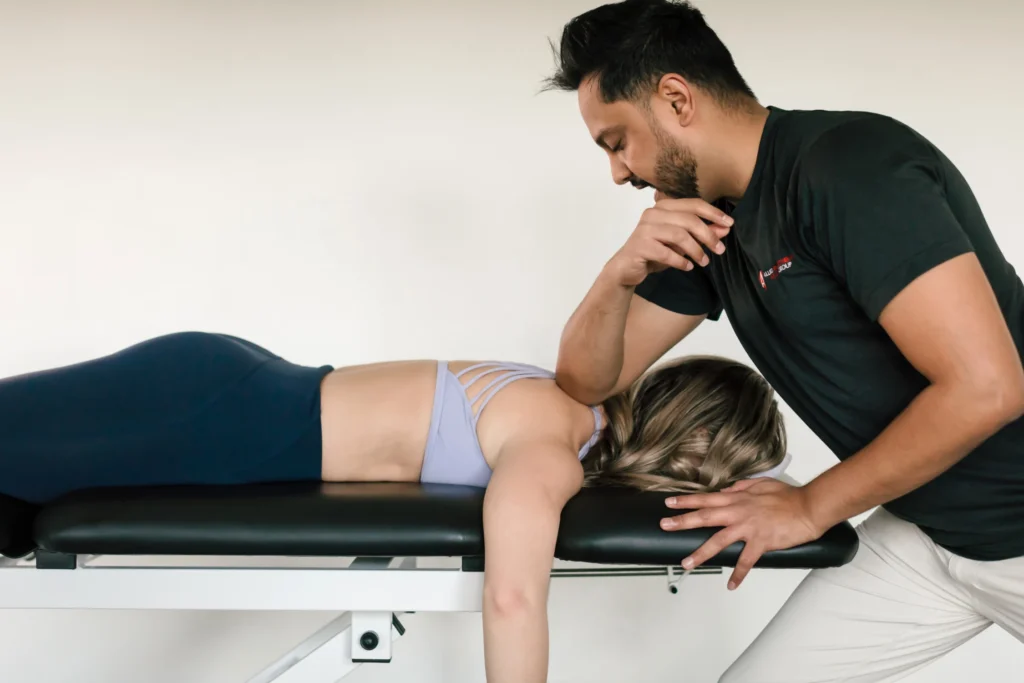
A detailed history of your symptoms, triggers, and previous dizziness episodes
Balance, gaze, and movement testing to rule out other conditions and confirm PPPD features
Identification of the situations and movements that provoke your symptoms
A graded, personalized rehabilitation plan you can follow at home
How Physiotherapy Helps PPPD
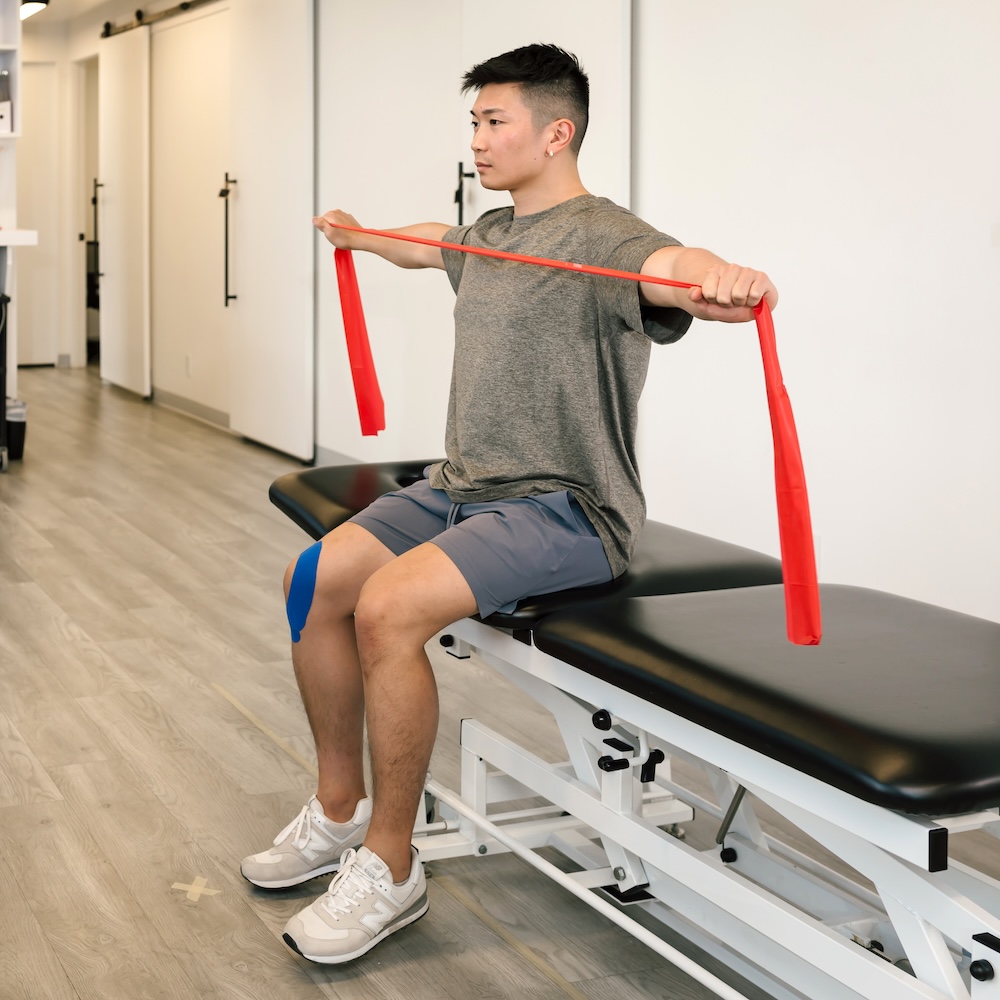
PPPD treatment is gradual and progressive rather than aggressive. Pushing too hard too fast can worsen symptoms, so we build tolerance step by step. Your plan may include:
Graded Movement Exposure
Carefully paced activities that retrain your brain to tolerate upright posture, head turns, and walking without triggering symptoms.
Visual Motion Desensitization
Structured exercises using moving patterns, screens, or busy environments to reduce visual sensitivity over time.
Balance Retraining
Progressive balance work to rebuild walking confidence and reduce fear of falling.
Education and Pacing
Understanding the science behind PPPD is a key part of recovery. We help you pace activity, manage flare-ups, and stay engaged in life during treatment.
Many patients with PPPD have seen multiple providers without clear answers. Vestibular physiotherapy is one of the most effective evidence-based treatments available, especially when combined with appropriate medical or psychological support where needed.
What Our Patients Say
Start Your Recovery Today
PPPD can feel frustrating and isolating, but it is treatable. Book your initial assessment with Allied Physiotherapy Health Group in Surrey and start a structured plan to break the cycle of chronic dizziness.